Book Uganda gorilla safaris and gorilla trekking tours with our expertly organized packages for 2026/2027. Uganda is home to over half the world's mountain gorillas in Bwindi Impenetrable National Park, making it one of the best places to see gorillas in Uganda in the wild. Browse our top Uganda safari packages below and start planning your trip today.
Uganda Gorilla Safaris & Gorilla Trekking Tours
-
 USD 1350 Per Person
2-Day Uganda Gorilla Tour in Bwindi from Kigali, Rwanda
View TourDid you know you can do a 2-day gorilla tour in Bwindi? It is very possible, although the arrangement is…
- from $2000 Per Person
3-Day Fly-in Gorilla Tour in Bwindi: Uganda’s Luxury Trek
View TourThis 3-Day Uganda Gorilla Fly-In Tour Adventure includes the best gorilla flights to Kisoro and Kihihi airstrips. You can even…
- from $1990 Per Person
3-Day Uganda Gorilla Habituation Tour in Bwindi Forest
View TourNeed to spend longer with Mountain Gorillas in their natural habitat? This 3-day Uganda Gorilla Habituation Tour will reward you…
- USD 1550 Per Person
3-Day Uganda Gorilla Trekking Tour in Bwindi from Entebbe
View TourNeed a short visit to Bwindi Impenetrable Forest National Park for Mountain Gorilla tracking? This 3-Day Gorilla Tracking Bwindi Tour…
- USD 1450 Per Person
3-Day Uganda Gorilla Tour from Kigali to Bwindi Forest
View TourWant to experience mountain gorillas in Uganda but hesitant about the long 9-hour drive to Bwindi Impenetrable National Park from…
- Request Price
4-Day Uganda Gorilla Trekking & Lake Bunyonyi Leisure Tour
View TourCraving a 4-day gorilla trekking tour in Uganda? Want to trek Mountain Gorillas in Bwindi, get tired, and then unwind…
- from $1650 Per Person
4-Day Uganda Gorillas & Wildlife Safari in Bwindi & Queen Elizabeth
View TourThis 4-day Uganda gorillas and wildlife safari combines an unforgettable experience of gorilla tracking and wildlife viewing in two of…
- from $2300 Per Person
4-Day Double Gorilla Tracking Tour in Bwindi, Uganda
View TourFeel cheated by just one gorilla trek? Want a 4-day Bwindi Double Gorilla Tracking Tour? How about visiting two Mountain…
- Request Price
5-Day Uganda Primates Tour – Gorillas, Chimpanzees & Wildlife
View Tour5 Days Uganda Primates Tour – The 5-day Uganda Primates Safari takes you to two national parks renowned for unforgettable…
- Request Price
5-Day Uganda Safari – Gorilla Trekking & Wildlife in Bwindi & Queen Elizabeth
View TourSearching for a Uganda Safari with Mountain Gorillas and Wildlife? This 5-day Uganda gorilla trekking and wildlife safari offers an…
- Request Price
7-Day Uganda Gorilla Circuit Safari – Trekking & Wildlife Tour
View Tour7 Days Luxury Uganda Safari (Bwindi Special Gorilla Holiday) – To enhance your gorilla experience in Uganda, this 7-day luxury…
- Request Price
10-Day Uganda Safari – Big Five, Gorilla Trekking & Adventure
View Tour10 Days Best of Uganda Tour & Big Five Game Animals Safari – This 10-day Best of Uganda Tour &…
- Request Price
12-Day Uganda Adventure Safari – Wildlife, Gorillas & Cultural Tours
View Tour12 Days Uganda Safari Tour – Searching for an incredible Uganda safari holiday? Enjoy this 12-day Uganda safari tour, complete…
- Request Price
15-Day Ultimate Uganda Safari – Hiking, Wildlife & Birding Adventure
View Tour15 Days Uganda Tour – This 15-day Uganda Safari Holiday offers an incredible experience, allowing travelers to visit several national…
- Request Price
18-Day Uganda Safari Adventure – Wildlife, Gorillas & Culture
View Tour18 Days Uganda Classic Safari Holiday – This 18 Days Uganda Classic Safari Holiday takes you to explore the best…
- Request Price
21-Day Grand Uganda Safari – Wildlife, Gorillas & Adventure
View Tour21 Days Grand Uganda Tour – Searching for the best packages in Uganda? This 21-day Uganda Safari Package is a…



Complete Guide to Uganda Safaris & Gorilla Trekking Tours
A Uganda safari takes you into the country’s national parks, reserves, and top tourist destinations. Uganda remains an underexplored destination with varied scenery, distinct vegetation, and abundant wildlife.
Uganda tours and safaris offer big game viewing, mountain gorilla trekking, chimpanzee tracking, birding, mountaineering, and cultural encounters. Whether you’re looking for a short gorilla trek or a full African safari in Uganda, our safari packages cover every budget and travel style.
Top Uganda Safari Activities: Things to Do in Uganda
Uganda safari tours center on game viewing and mountain gorilla trekking in Bwindi and Mgahinga. Gorilla permits cost $800 for foreign non-residents, $700 for foreign residents, and UGX 300,000 for East African Community citizens.
Other activities include bird watching, golden monkey tracking in Mgahinga Gorilla National Park, chimpanzee tracking, white water rafting, mountaineering, boat cruises, cultural safaris, hot air balloon tours, and gorilla habituation.
Top Uganda Safari Destinations & Attractions: Things to See in Uganda
Uganda has 10 national parks and several reserves where most Uganda safari trips take place.
Bwindi Impenetrable National Park
Bwindi Impenetrable National Park, in the extreme southwest, is Uganda’s most visited park. Established in 1991 on the Albertine Rift Valley, this tropical rainforest park covers 331 square kilometers of montane and lowland forest.
Bwindi became a UNESCO World Heritage Site in 1994. Most travelers visit for gorilla trekking in Uganda, but the park also offers bird watching, gorilla habituation, nature walks, Batwa cultural encounters, and cycling.
Mgahinga Gorilla National Park
Mgahinga Gorilla National Park, in Kisoro, southwestern Uganda, is Uganda’s second gorilla destination and its smallest park at 33.7 square kilometers.
Mgahinga borders Volcanoes National Park in Rwanda and Virunga National Park in DR Congo, forming the Virunga Conservation Area. It takes its name from Gahinga Volcano, one of eight volcanoes in the Virunga Massif.
Activities include mountain gorilla trekking, birding, golden monkey tracking, volcano hiking, Batwa encounters, and cave exploration.
Murchison Falls National Park
Murchison Falls National Park, in northwestern Uganda, became a national park in 1952 and covers 3,840 square kilometers, Uganda’s largest park.
The park takes its name from Murchison Falls, where the Nile forces through an 8-meter gorge, creating the Devil’s Cauldron and a permanent rainbow.
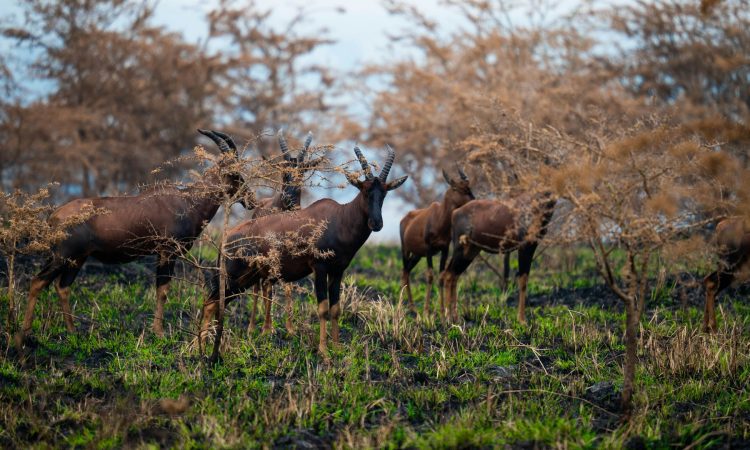
The park hosts 4 of the Big Five, antelope species, over 451 bird species, Rothschild giraffes, warthogs, chimpanzees, and primates in Budongo Forest.
Activities include hot air balloon rides, game drives, bird watching, nature walks, chimpanzee tracking and habituation, a hike to the top of the falls, and a boat cruise to its base.
Murchison Falls is reachable within 4 to 5 hours’ drive from Kampala, with a stop at Ziwa Rhino Sanctuary along the way.
Queen Elizabeth National Park
Queen Elizabeth National Park, Uganda’s second-biggest park, sits in western Uganda and covers 1,978 square kilometers of savanna and crater lakes.
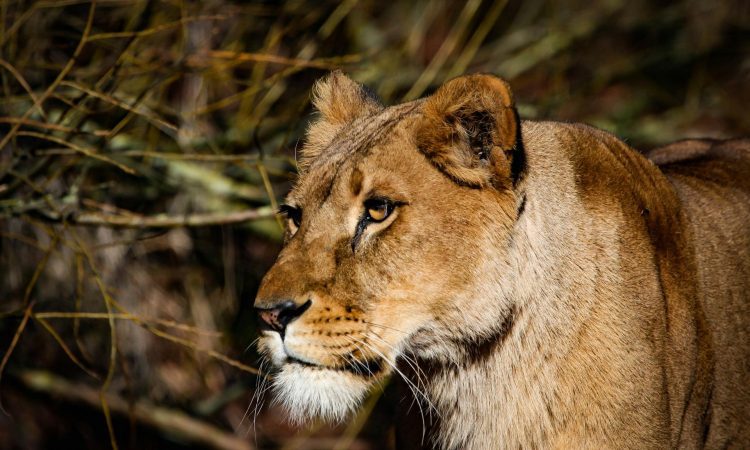
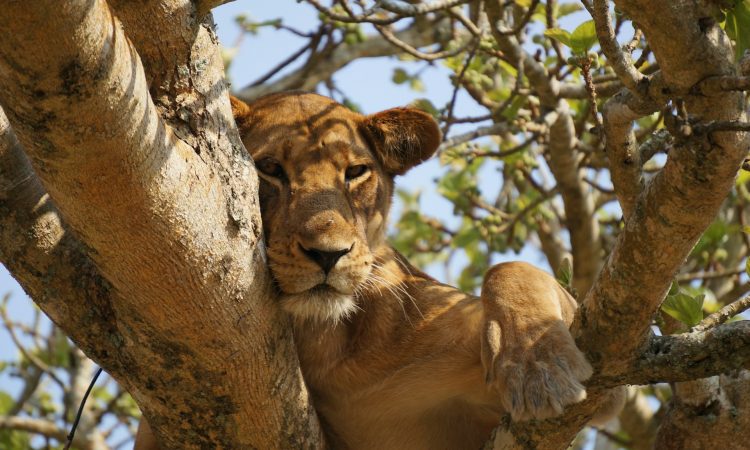
Wildlife includes tree-climbing lions, elephants, leopards, buffaloes, antelopes, chimpanzees, colobus monkeys, baboons, hippos, crocodiles, and over 620 bird species.
Kidepo Valley National Park
Kidepo Valley National Park, in Karamoja Province, features rugged mountains and flat valleys. It hosts 4 of the Big Five and over 475 bird species, with activities including game drives, birding, climbing Mount Morungole, and cultural tours with the Karamojong and IK communities.
Kibale Forest National Park
Kibale National Park, in western Uganda, covers 795 square kilometers of rainforest and savanna grassland and is East Africa’s primate capital, with 13 primate species and about 1,500 chimpanzees. Other species include L’Hoest monkeys, baboons, red colobus monkeys, mangabeys, red-tailed monkeys, bush babies, pottos, and forest elephants.
Lake Mburo National Park
Lake Mburo National Park, in western Uganda, is the country’s smallest savanna park at 260 square kilometers. It’s only 3 to 4 hours’ drive from Kampala and holds a large impala population.
Rwenzori Mountains National Park
Rwenzori Mountains National Park suits climbers and hikers. It holds Margherita Peak on Mount Stanley, East Africa’s third-highest point at 5,109 meters. It has been a UNESCO site since 1994 and covers about 1,000 square kilometers.
Semuliki National Park
Semuliki National Park, in western Uganda, protects East Africa’s only tract of true lowland tropical forest, covering 220 square kilometers. It suits chimpanzee tracking, nature walks, the Sempaya hot springs, and birding.
Mount Elgon National Park
Mount Elgon National Park, in eastern Uganda, is home to an extinct volcano rising to 4,321 meters, East Africa’s 4th highest mountain. The park covers 1,145 square kilometers and suits volcano climbing.
The Source of the Nile, Jinja
The source of the River Nile, the world’s longest river, is in Jinja, Uganda. Adventure activities here include white water rafting, kayaking, jet boating, and bungee jumping.
Ziwa Rhino Sanctuary
Ziwa Rhino Sanctuary, in Nakasongola district, makes a good stop en route to Murchison Falls. It protects rhinos not yet reintroduced to Uganda’s parks.
Lake Bunyonyi
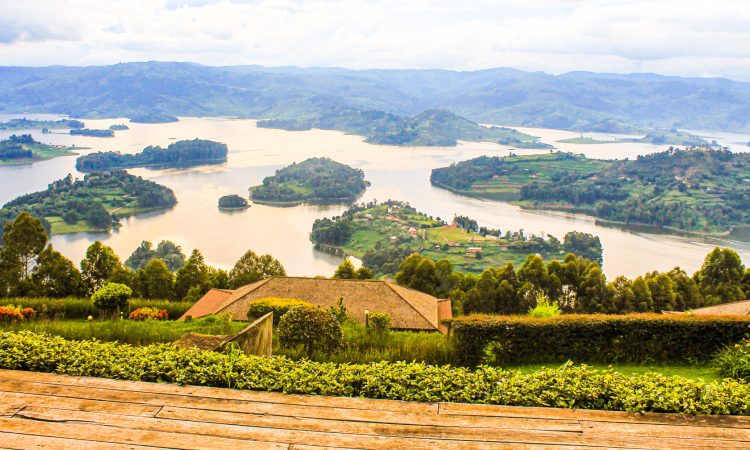
Lake Bunyonyi, Africa’s second-deepest lake, sits in the Kigezi region of southwestern Uganda and has 29 islands. Visitors can go birding, swimming, canoeing, and on community walks.
Other attractions include historical sites, waterfalls such as Aruu Falls, Sipi Falls, Ssezibwa Falls, and Murchison Falls, plus hot springs and mountains.
About Mountain Gorillas in Uganda
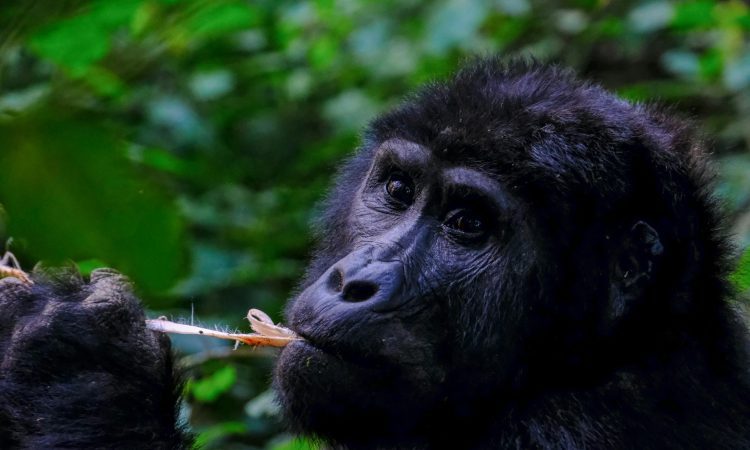
Gorillas share over 98% of their DNA with humans, making them our closest relatives. The three notable species are western gorillas, eastern lowland gorillas at Kahuzi-Biega National Park, and mountain gorillas, found only in Africa.
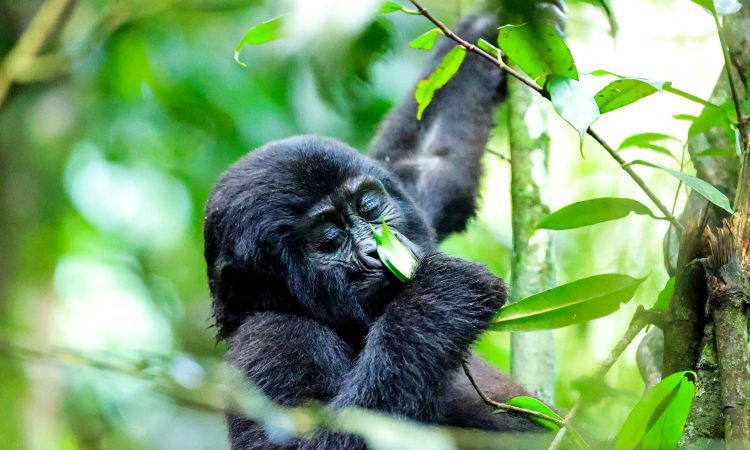
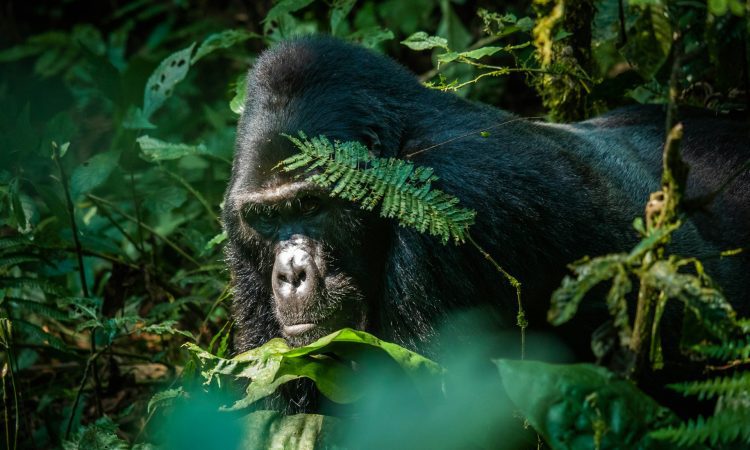
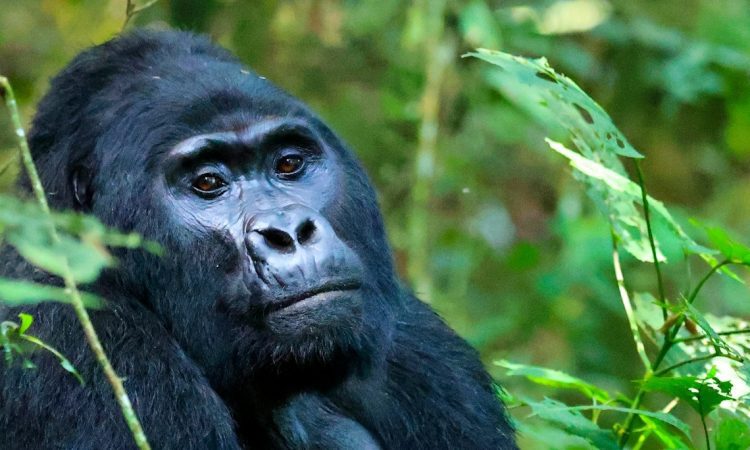
Mountain gorillas live in the Virunga mountain chain, spanning Uganda, DR Congo, and Rwanda. They live in family groups led by a dominant silverback, who protects the family, resolves conflicts, and cares for infants if their mother dies.
Females mentor young gorillas and build nightly nests. Gorillas communicate using over 27 distinct sounds and feed mainly on bamboo shoots, leaves, stems, and fruit.
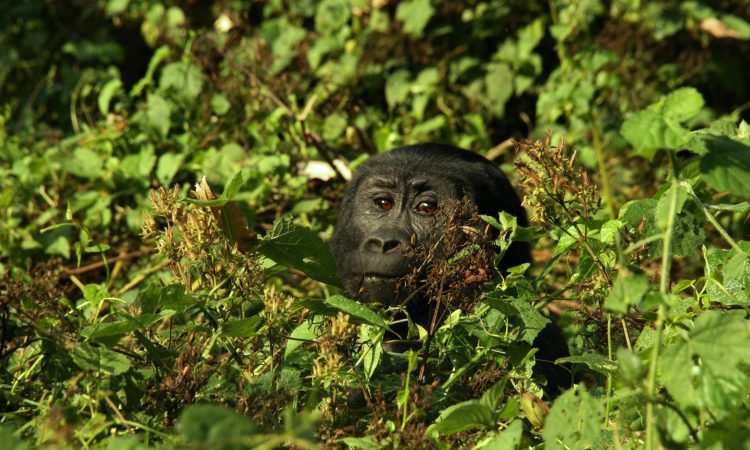
Gorillas are generally shy, though infants sometimes approach humans out of curiosity.
The Uganda Gorilla Trekking Experience
Gorilla trekking, also called a gorilla hike in Uganda, means searching for gorillas on foot with an expert ranger. Travelers with disabilities can join through a special gorilla habituation package.
In both Bwindi and Mgahinga, trekking starts with a pre-trekking briefing at 8:00 am, lasting about 30 minutes, where rangers verify documents and explain the rules before assigning each visitor to a gorilla family.
Tracking starts from where rangers last saw the gorillas and can take 1 to 8 hours, followed by an hour observing the family, including mothers with infants and the silverback.
Visitors can take photos but cannot touch the gorillas. After the trek, visitors receive a gorilla trekking certificate before lunch and a return to the lodge.
Top Places for Uganda Gorilla Trekking
The only two places to trek gorillas in Uganda are Bwindi Impenetrable National Park and Mgahinga Gorilla National Park.
Bwindi Impenetrable National Park
Bwindi holds half the world’s mountain gorillas and sits in the isolated southwestern part of Uganda, at the edge of the Rift Valley and the Virunga mountain chain.
Its thick tropical forest, covering 321 square kilometers, earned it the name “Impenetrable.” The park became a national park in 1991 and a UNESCO site in 1994, sitting at 1,160 to 2,607 meters altitude with over five rivers.
Bwindi holds over 400 mountain gorillas across its families, about 120 mammal species, over 400 plant species, over 350 bird species, and other primates including baboons and monkeys.
Bwindi has four trekking sectors:
Buhoma sector, in the north, is the most visited, home to the first gorilla family ever tracked. Its 5 gorilla groups (Mubare, Katwe, Habinyanja, Rushegura) offer 40 permits daily. Buhoma also connects to Queen Elizabeth National Park’s Ishasha sector, home to tree-climbing lions.
Ruhija sector, in the east, has three families (Kyaguriro, Bitukura, Mukiza, Oruzogo) across just 32 permits daily. Trekking here is strenuous, with scenic views, rolling hills, and cool weather, popular for research due to its quiet forest cover.
Nkuringo sector, in the south, suits fit, younger travelers due to its steep terrain. Its Nkuringo family is among the park’s most peaceful. In June 2020, the sector lost dominant silverback Rafiki to a poacher, later arrested and sentenced. Trekking here began in April 2004.
Rushaga sector, in the south, is the only sector offering both trekking and habituation. Its 5 families (Nshongi, Busingye, Bweza, Kahungye, Mishaya) offer 40 permits daily, on flatter, cooler terrain.
Mgahinga Gorilla National Park
Mgahinga sits in the Virunga mountain chain in western Uganda, bordering DR Congo. Established in 1991, it protects mountain gorillas, golden monkeys, and other endangered species.
Mgahinga has one gorilla family, the Nyakagezi group, tracked by only 8 people daily after the morning briefing, meaning fewer crowds than Bwindi.
Uganda Gorilla Trekking Rules
Follow these rules before, during, and after every trek:
- Wash your hands before meeting the gorillas.
- Carry a valid trekking permit.
- Keep noise to a minimum in the jungle.
- Dispose of waste properly. Do not litter in the park.
- Stand 7 to 8 meters away from the gorillas.
- Do not use flash photography.
- Follow the park ranger’s instructions.
- Manage your time well while in the jungle.
- Do not create new paths or imitate the gorillas.
- Avoid direct eye contact with the gorillas, especially silverbacks.
Breaking these rules can result in fines or expulsion from the park.
Cost of Uganda Gorilla Permits
Gorilla permit prices depend on nationality, for trekkers aged 15 and above: $800 for foreign non-residents, $700 for foreign residents, and UGX 300,000 for East African citizens. Pay directly at UWA headquarters in Kampala or through your tour operator, following the Uganda Wildlife Authority’s current tariff structure.
Permit fees fund conservation, support displaced local communities, and pay park rangers. Buy your permit 3 to 6 months in advance, since permits are limited and sold first-come, first-served. Permits cannot be postponed or refunded if you miss your date or lose your permit.
Uganda Gorilla Trekking Packing List
Pack only the essentials to avoid extra charges and inconvenience.
Documents: passport, gorilla trekking permit, visa, and a yellow fever vaccine certificate if required for your country.
Essential items: sturdy hiking boots, hand gloves, a sleeping bag if camping, a hat, a jacket or raincoat, insect repellent, long-sleeved shirts, trousers, stockings, drinking water, a trekking stick (available in the park), a camera, binoculars, and an optional bird or plant guidebook. You can buy some items locally to avoid extra baggage charges.
Best Time for Uganda Gorilla Trekking
Park gates open at 7:00 am. June to October and December are the best months, with less rain making trekking easier, though the activity runs year-round.
Weather patterns: June to October and December to early March are mostly dry with light rain; late March to May and November bring the wet season. For lower prices and fewer crowds, visit March to May or November.
Top Uganda Safari Lodges: Where to Stay in Uganda Safari Parks
Uganda safari accommodation ranges from budget to luxury. Known options include Serena and Sheraton Hotels in Kampala, Mweya Safari Lodge and Ishasha Wilderness Camp in Queen Elizabeth National Park, Paraa Safari Lodge and Chobe Safari Lodge in Murchison Falls, Primate Lodge and Ndali Lodge in Kibale Forest, and Mihingo Lodge in Lake Mburo.
Around Bwindi and Mgahinga, gorilla trekkers can choose from budget, mid-range, and luxury lodges, homesteads, and camps close to each sector.
Uganda offers one of the best gorilla trekking safaris in the world, across both Bwindi and Mgahinga, with secure territories and a cool climate. As a leading choice for African safari in Uganda, our Uganda gorilla tours combine trekking with wider wildlife viewing across the country’s top parks.
Book your Uganda safari and gorilla trekking tour today and start planning your trip.
Frequently Asked Questions About Uganda Safaris and Gorilla Trekking
How much does a Uganda safari cost?
Uganda safari costs vary by itinerary length, accommodation level, and activities included. Gorilla trekking permits alone cost $800 per person for foreign non-residents, with full safari package prices depending on lodge choice and trip duration.
How much does a Uganda gorilla trekking permit cost?
A Uganda gorilla trekking permit costs $800 for foreign non-residents, $700 for foreign residents, and UGX 300,000 for East African Community citizens.
Where can I go gorilla trekking in Uganda?
Uganda offers gorilla trekking in two parks: Bwindi Impenetrable National Park and Mgahinga Gorilla National Park. Bwindi holds most of the country’s gorilla families across four sectors.
What is the best time for Uganda gorilla trekking?
June to October and December are the best months for Uganda gorilla trekking, since drier trails make the hike easier. Gorilla trekking runs year-round, including the wetter months.
How long does gorilla trekking take in Uganda?
Tracking takes 1 to 8 hours depending on where the gorilla family is located, followed by one hour observing the gorillas once rangers find them.
How fit do I need to be for a gorilla trek in Uganda?
Basic fitness helps, since some sectors involve steep, hilly terrain. Nkuringo and Ruhija sectors suit fitter trekkers, while Buhoma and Rushaga offer flatter, easier trails.
What is the minimum age for gorilla trekking in Uganda?
Trekkers must be at least 15 years old to join a gorilla trekking group in Uganda.
How many gorilla permits are available in Uganda each day?
Bwindi issues up to 40 permits per day in Buhoma and Rushaga sectors, 32 in Ruhija, and a smaller number in Nkuringo. Mgahinga issues 8 permits per day for its single gorilla family.
Can I book Uganda gorilla trekking permits in advance?
Yes, and it’s recommended. Book permits 3 to 6 months ahead of your trekking date, since they sell on a first-come, first-served basis and are limited in number.
Are Uganda gorilla trekking permits refundable?
No, permits cannot be postponed or refunded if you miss your date or lose your permit.
What is the difference between Bwindi and Mgahinga gorilla trekking?
Bwindi holds over 400 mountain gorillas across four sectors and multiple families, offering more permit availability. Mgahinga has one gorilla family and issues only 8 permits daily, meaning fewer crowds.
What should I pack for a gorilla trek in Uganda?
Pack a valid passport, permit, and visa, along with hiking boots, hand gloves, a hat, rain jacket, insect repellent, long-sleeved clothing, drinking water, and a camera.
Do I need a yellow fever vaccine for Uganda?
A yellow fever vaccination certificate is required for travelers from certain countries. Check your country’s requirement before booking your Uganda safari trip.
What other wildlife can I see on a Uganda safari besides gorillas?
Uganda safari tours offer tree-climbing lions and elephants in Queen Elizabeth National Park, chimpanzees in Kibale Forest, over 620 bird species, and the Big Five in Murchison Falls and Kidepo Valley.
Can I combine gorilla trekking with other Uganda national parks?
Yes, most Uganda safari packages combine gorilla trekking in Bwindi or Mgahinga with wildlife viewing in Queen Elizabeth, Murchison Falls, or Kibale Forest National Park.
How do I get to Bwindi Impenetrable National Park?
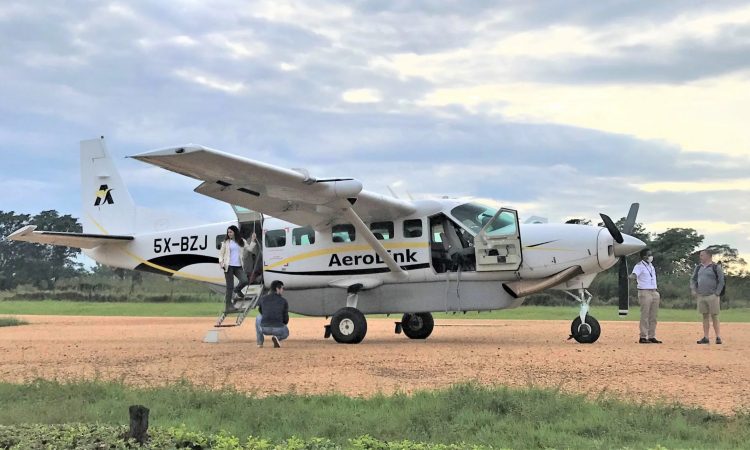
Bwindi sits in Uganda’s extreme southwest. Visitors can drive from Kampala or take a chartered flight to an airstrip near the park.
What is gorilla habituation in Uganda?
Gorilla habituation is the process of preparing a wild gorilla family for tourism through daily contact with rangers and researchers. Rushaga sector in Bwindi offers habituation experiences alongside standard trekking.
Is Uganda safe for gorilla trekking and safaris?
Yes, Uganda’s national parks are patrolled by armed rangers, and gorilla trekking activities operate under strict safety protocols for both visitors and gorillas.
What is the difference between gorilla trekking and gorilla tracking?
Gorilla trekking and gorilla tracking refer to the same activity: searching for a gorilla family on foot with a ranger, followed by one hour observing the group.
Where can I stay during a Uganda gorilla trekking safari?
Accommodation near Bwindi and Mgahinga ranges from budget campsites to luxury lodges, with options available close to each trekking sector.
Book Now