Book Rwanda gorilla safari tours to trek critically endangered mountain gorillas in Volcanoes National Park, Musanze. Rwanda is one of only three countries where mountain gorillas live in the wild, and our expert guides run private Rwanda gorilla trekking safaris across Rwanda's hills and volcanoes. Browse our Rwanda safari packages below and start planning your trip today.
Rwanda Gorilla Safari Tours: Gorilla Trekking & Wildlife Safaris
-
 Request Price
1-Day Rwanda Gorilla Trek – A Quick Tour from Kigali to Volcanoes National Park
View Tour1-day Rwanda gorilla trek tours are the shortest type of gorilla safaris available. These tours occur in Rwanda due to…
- Request Price
2-Day Rwanda Gorilla Tour – Quick Trek in Volcanoes Park
View TourHave a short encounter with Rwanda’s mountain gorillas with this 2-day Rwanda Gorilla Tour. This 2-Day Rwanda Gorilla Safari starts…
- Request Price
3-Day Gorilla and Golden Monkey Tour in Rwanda’s Volcanoes Park
View Tour3 Days Gorillas & Golden Monkey Tracking Tour offers options for budget, moderate, and luxury safari experiences. This tour starts…
- Request Price
3-Day Chimpanzee Trekking Tour in Rwanda’s Nyungwe Forest
View TourThis 3-day Rwanda Chimpanzee Trekking Tour will take you to Nyungwe Forest National Park, one of the largest and thickest…
- Request Price
3-Day Akagera National Park Safari for Rwanda’s Big 5 Wildlife
View TourRwanda is the newest addition to the list of African countries with the Big Five game animals, following the reintroduction…
- Request Price
3-Day Rwanda Gorilla Trekking & Dian Fossey Grave Tour
View Tour3 Days Affordable Rwanda Gorilla Trekking – Tiny Rwanda, also known as the land of a thousand hills and mountains,…
- Request Price
4-Day Double Gorilla Trekking Tour in Rwanda’s Volcanoes Park
View TourWant a 4-Day Volcanoes Double Gorilla Trekking experience in Volcanoes National Park? Rwanda is a top destination for gorilla tracking,…
- Request Price
4-Day Rwanda Adventure – Gorillas & Golden Monkey Trekking Tour
View TourThis 4-day Rwanda Gorillas and Golden Monkey Trekking Tour, which begins and ends in Kigali, Rwanda, comes prepackaged with a…
- Request Price
5-Day Rwanda Double Gorilla Trekking Tour in Volcanoes Park
View TourGorilla tracking in Rwanda is one of the most incredible encounters you will ever experience. The adventure is simply amazing…
- Request Price
5-Day Rwanda Gorilla and Chimpanzee Trekking Tour
View TourVisit two of Rwanda’s only three national parks (Volcanoes National Park and Nyungwe Forest National Park) with this 5-day Rwanda…
- Request Price
5-Day Rwanda Tour – Gorillas, Twin Lakes & Lake Kivu
View TourWant to trek Rwanda’s endangered mountain gorillas and relax afterward? This 5-day Rwanda Gorillas and Lake Kivu Expedition features an…
- Request Price
6-Day Rwanda Gorilla Trek & Big 5 Safari in Volcanoes & Akagera
View TourThis 6-day Rwanda Gorillas and Wildlife Safari highlights two of Rwanda’s three national parks, including its most popular destination, Volcanoes…
- Request Price
6-Day Rwanda Gorilla Trekking, Culture & Wildlife Adventure
View TourEnjoy the best of Rwanda’s tourism with this 6-day Rwanda safari. This safari includes a Kigali City Tour, Mountain Gorilla…
- Request Price
7-Day Rwanda Primates Safari – Gorillas, Chimps & Wildlife
View TourDiscover Rwanda’s primates with this 7-day Rwanda primates safari. This safari highlights a Rwanda gorilla tracking experience, chimpanzee trekking, golden…
- Request Price
10-Day Rwanda Safari – Wildlife, Gorilla Trekking & Culture
View TourIn 10 days, you will explore all the national parks of Rwanda, participating in various activities in each of them….
Complete Guide to Rwanda Safaris and Gorilla Trekking Tours
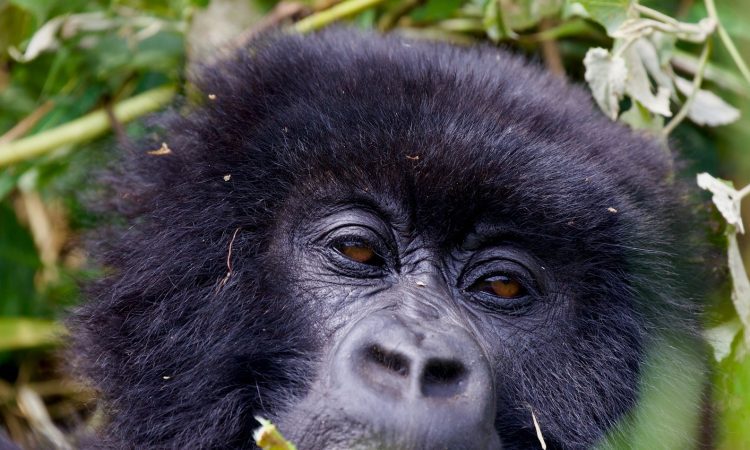
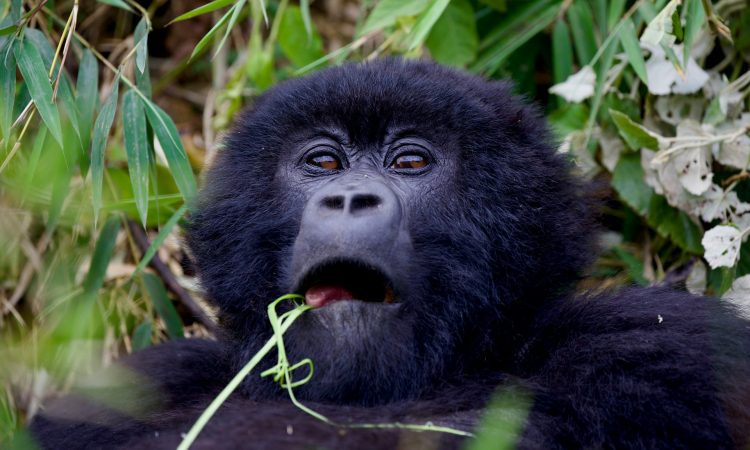
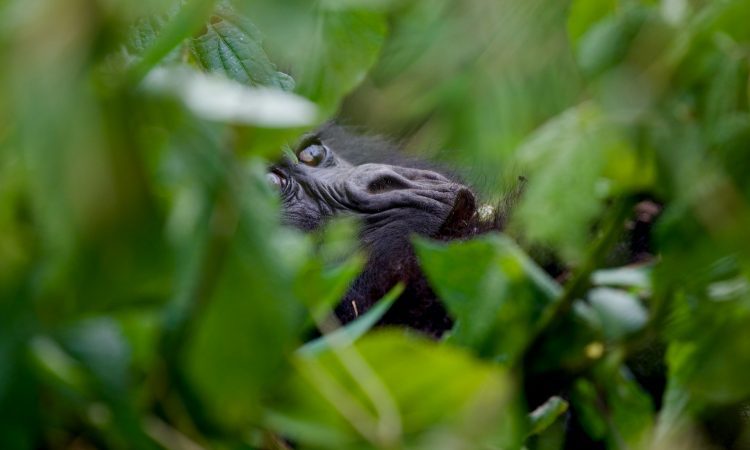
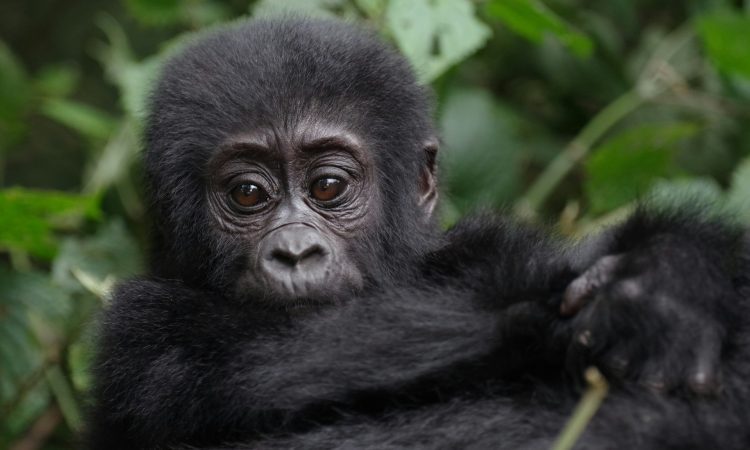
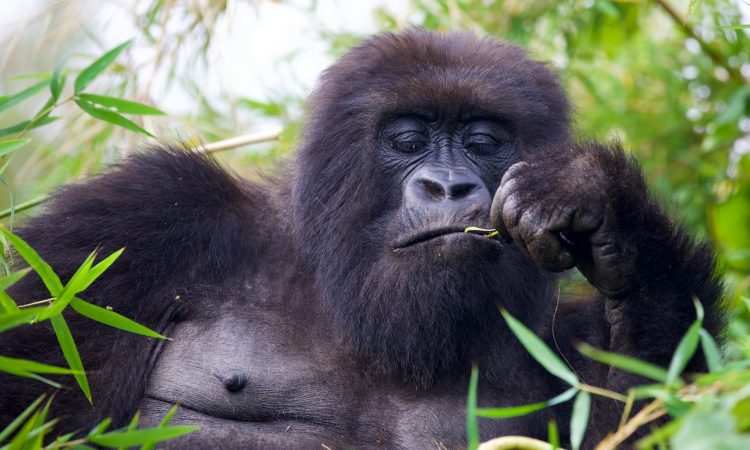
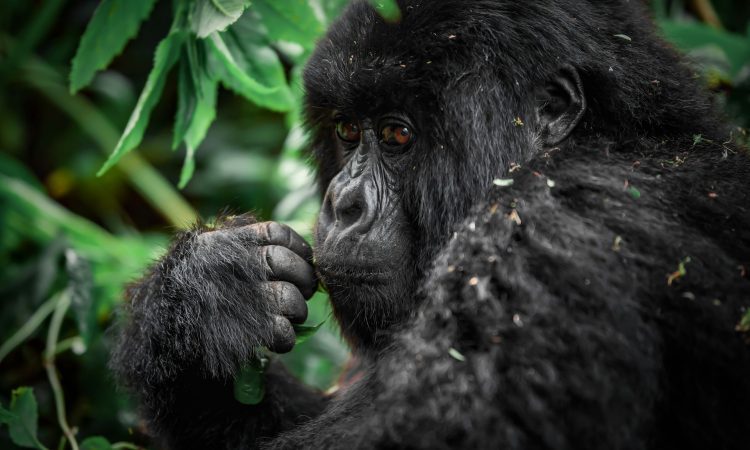
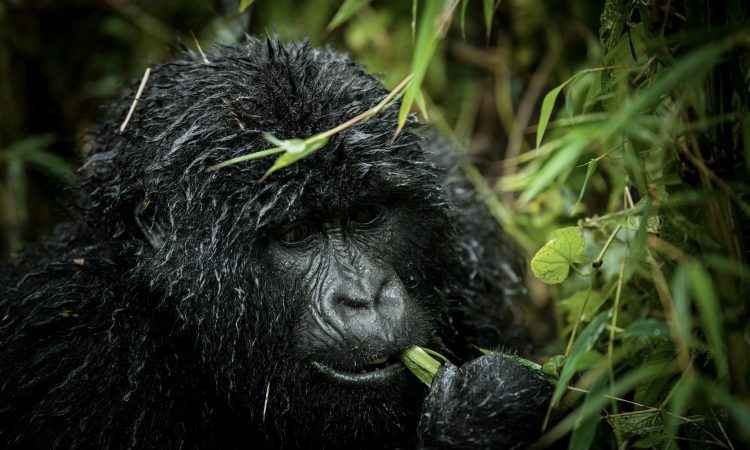
Rwanda gorilla tours take you to Volcanoes National Park to trek mountain gorillas in the Virunga Mountains. These gorillas live on the slopes of Mount Bisoke, Mount Karisimbi, Mount Muhabura, and Mount Sabyinyo. The bamboo forest terrain here makes gorillas easier to spot than in the thicker jungles found elsewhere.
Volcanoes National Park sits close to Kigali, Rwanda’s main entry point, about 2 to 3 hours away by road. This short distance makes Rwanda gorilla trekking safaris one of the most convenient gorilla safaris in East Africa, and a strong choice for anyone planning an African safari in Rwanda.
Browse our Rwanda tours and safaris below and choose the itinerary that suits you best.
About Rwanda and Mountain Gorillas
Rwanda, known as the “Land of a Thousand Hills,” is a landlocked country in East Africa with a mild subtropical climate and two rainy seasons each year.
Mountain gorillas are an endangered species found only in Uganda, Rwanda, and the Democratic Republic of Congo. Gorillas split into two species, the Western gorilla and the Eastern gorilla, with subspecies including the mountain gorilla, eastern lowland gorilla, cross river gorilla, and western lowland gorilla.
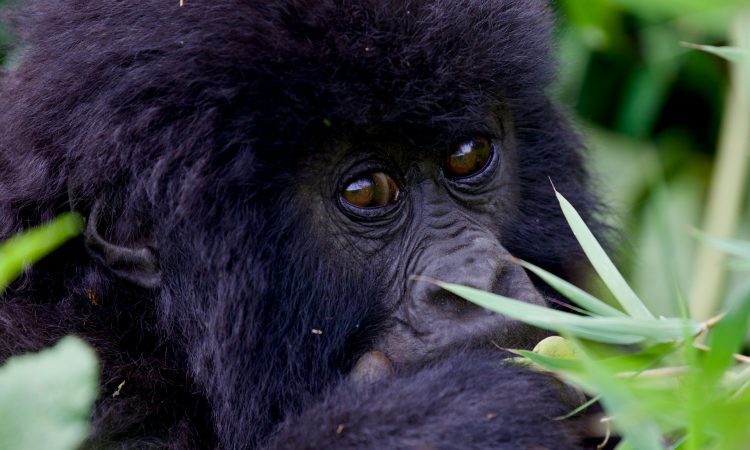
Mountain gorillas cannot survive in captivity, which is why travelers trek them in their natural habitat. They live at high elevation in rainforest and grow long, thick fur to handle the cold. As gorillas mature, males develop silver hair on their backs and become known as silverbacks.
Each family moves as a group led by one dominant silverback, who directs feeding, defends the group from rival silverbacks, and holds mating rights within the family. Female mountain gorillas give birth after a gestation period of about 8.5 months. Newborns weigh around 4 pounds, and mothers protect and nurse them until they reach about 4 years old.
Where to Trek Gorillas in Rwanda
The only national park in Rwanda where tourists can go on a gorilla trek is Volcanoes National Park. The park is home to over 10 habituated mountain gorilla families available for trekking throughout the year.
Volcanoes National Park sits in northwestern Rwanda and protects five of the eight Virunga Range volcanoes. The park served as the research base for American primatologist Dian Fossey, who studied mountain gorillas here before her death in 1985.
Established in 1925, Volcanoes National Park was one of the first national parks in Africa created to protect mountain gorillas from extinction. Fossey later founded a research institute between Mount Bisoke and Mount Karisimbi in 1967. Tourist activity paused during periods of regional instability in the early 1990s, and the park reopened safely to visitors in 1999.
Mountain Gorilla Trekking in Rwanda
Rwanda offers the most luxurious gorilla trekking experience of the three gorilla trekking countries. A gorilla trekking permit costs $1,500 per person and is issued only to trekkers aged 15 and above.
Trekking begins early in the morning with a briefing at park headquarters, followed by the hike with armed rangers. Once you reach your assigned gorilla family, you get one hour to observe and photograph the group.
Each gorilla trek in Rwanda is limited to 8 people, and trekkers showing symptoms of infectious illness, including flu or cough, are not permitted to join. Mountain gorillas share close genetic similarity with humans and can catch human diseases easily, so this rule protects the gorillas’ health. Rwanda works with a dedicated veterinary team to monitor and treat gorilla health issues across the region.
Best Time to See Gorillas in Rwanda
Rwanda can be visited all year round, but some months suit mountain gorilla trekking better than others.
The best months for a gorilla hike in Rwanda are during the two dry seasons: June to September and mid-December to early February. Trails are less muddy during these months, and thinner vegetation improves your chances for good wildlife photography.
Rwanda Gorilla Permits
A standard mountain gorilla trekking permit in Rwanda costs $1,500 per person. Discounted permits at $1,050 are available in May and October, but only for visitors staying more than 3 days and visiting at least one other national park in Rwanda.
Book your permit at least 3 months in advance, since demand is high during peak season. You can buy permits through a trusted tour operator or directly from the Rwanda Development Board.
Rwanda Gorilla Families
Volcanoes National Park is home to several habituated gorilla families. Here are the main groups you may trek on your Rwanda gorilla safari.
Karisimbi Gorilla Family
The Karisimbi family takes its name from Mount Karisimbi, where the group lives. It split from the Susa family in 2009 when silverback Nyakangaga broke away with 12 members. Karisimbi ranks among the hardest families to trek, since the group often climbs near the caldera at the mountain’s summit, sometimes taking a full day to locate.
Susa Gorilla Family
The Susa family, named after the River Susa, was once the park’s largest group at 42 members before splitting in 2009. Dian Fossey studied this family during her research. Susa now has 28 members, including three silverbacks, and has produced twins, a rare occurrence among mountain gorillas.
Amahoro Gorilla Family
Amahoro means “peace” in Kinyarwanda, reflecting the group’s calm temperament. This peaceful nature has cost dominant silverback Ubumwe several members to rival silverbacks over time. The family, now around 17 members, treks around the slopes of Mount Bisoke and sometimes moves to higher altitudes, making the trek more challenging.
Sabyinyo Gorilla Family
The Sabyinyo family, named after Mount Sabyinyo, was originally called Amavubi, meaning “wasps.” It roams the slopes of Mount Sabyinyo and Mount Mgahinga and is one of the easiest families to trek, often located within 2 hours of park headquarters. The group includes Guhonda, the largest and heaviest silverback in the park at 220 kilograms.
Kwitonda Gorilla Family
Named after silverback Kwitonda, this family migrated from Virunga National Park in Congo to Volcanoes National Park in 2003. It roams the slopes of Mount Sabyinyo and Mount Gahinga. Kwitonda died under unclear circumstances in 2012, and silverback Akarevuro took over leadership. Kwitonda was known for tolerating other silverbacks mating within the group, an unusual trait among mountain gorillas.
Umubano Gorilla Family
Umubano, meaning “togetherness” in Kinyarwanda, originally formed as part of the Amahoro family. After Amahoro’s dominant silverback died, brothers Charles and Ubumwe took joint leadership before disagreements led Charles to split off with several members. The two families sometimes still feed and interact together.
Hirwa Gorilla Family
Hirwa means “lucky one” in Kinyarwanda, and the family has produced twins, a rare event among mountain gorillas. It formed in June 2006 when silverback Muyinga left the Susa family after mating with females outside his rank, a violation of gorilla social order. Muyinga left with 2 females and grew the group through further interactions with other families.
Bwenge Gorilla Family
The Bwenge family, meaning “wisdom” in Kinyarwanda, formed in 2007 when silverback Bwenge split from the Beetsme family. Bwenge later died from suspected injuries or cardiac arrest. The family appeared in the film “Gorillas in the Mist” and endured the loss of 7 infants over the years. Bwenge was known for adopting 2 orphaned infants after their mothers died. Female Maggie led the group after his death, until a lone male from the Pablo family took over leadership.
Agashya Gorilla Family
Also known as Group 13 for its original size at habituation, this family changed hands when silverback Agashya challenged and defeated former leader Nyakarima, taking the entire group. Agashya is known for aggressively challenging rival groups to grow his family and often moves to higher elevations for security.
Titus Gorilla Family
Named after silverback Titus, this family treks around the slopes of Mount Bisoke and Mount Karisimbi. Dian Fossey studied this family during her research, and Titus was the sole survivor after the rest of the group was killed.
Ugyenda Gorilla Family
Ugyenda means “mobile” in Kinyarwanda, reflecting the group’s frequent movement. The family treks around the slopes of Mount Bisoke.
Why Trek Gorillas in Rwanda
Rwanda offers several practical advantages for gorilla trekking travelers looking for gorillas in Rwanda.
Rwanda is peaceful and welcoming. Rwanda is known for hospitable people and a stable environment. There has been no war in the country since the 1994 genocide, making it a safe destination for gorilla trekking.
Easy access from the airport. Unlike other gorilla trekking destinations with long transfers, Volcanoes National Park is easily reached from Kigali International Airport. Fly into Kigali, take a 2-hour drive to the park, trek the next morning, and fly out the same day if needed.
Golden Monkey Trekking in Rwanda
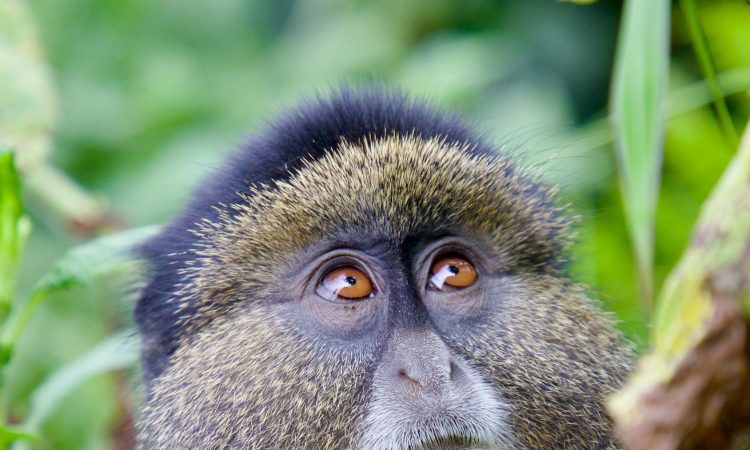
Golden monkeys are a unique primate species found only in the Virunga Conservation Area across Uganda, Rwanda, and the Democratic Republic of Congo. They stand out for their golden coloring and upward-facing nostrils.
Golden monkey trekking starts early, with visitors required at park headquarters by 7:00 am for a briefing. The activity is easier than a gorilla trek in Rwanda since golden monkeys live on the lower volcano slopes, and permits cost $100 per person, with no 8-person group limit.
Volcanoes National Park has two habituated golden monkey troops: one on the slopes of Mount Sabyinyo with about 100 individuals, and a smaller troop that ranges across the other volcanoes.
Pack waterproof hiking shoes, gloves, insect repellent, sunglasses, sunscreen, a packed lunch, long-sleeved clothing, a raincoat, and a hat for either activity. Porters are available at an affordable rate to help carry your gear.
Other Rwanda National Parks to Visit
Rwanda has several other national parks worth adding to your Rwanda safari trip.
Akagera National Park, in eastern Rwanda, covers 2,500 square kilometers and is the country’s only savanna park, offering game drives, over 500 bird species, boat trips on Lake Ihema, and fishing at Lake Shakani.
Gishwati-Mukura National Park, established in 2015, is Rwanda’s newest park, home to 232 bird species along with chimpanzees, golden monkeys, and other primates.
Nyungwe Forest National Park is the largest remaining montane forest in East Africa, home to 85 mammal species, 13 primate species, 310 bird species, and over 1,050 plant species.
Accommodation: Where to Stay for Rwanda Gorilla Trekking
Volcanoes National Park offers budget, mid-range, and luxury accommodation, including Five Volcanoes Boutique Hotel, Sabyinyo Silverback Lodge, Mountain Gorillas Nest Lodge, Bisate Lodge, Virunga Lodge, Best View Hotel, Mountain Gorilla View Lodge, Da Vinci Gorilla Lodge, Garden Place Hotel, La Bambou Gorilla Lodge, Gorillas Volcanoes Hotel, Villa Gorilla, Gate Hotel, Kinigi Guest House, La Palme Hotel, Gorillas Nest Lodge, Hotel Muhabura, Faraja Hotel, and Gorilla Solution Lodge.
Book your Rwanda gorilla safari tours today and start planning your trip.
Frequently Asked Questions About Rwanda Gorilla Safari Tours
How much does a Rwanda gorilla trekking permit cost?
A standard Rwanda gorilla trekking permit costs $1,500 per person. Discounted permits at $1,050 are available in May and October for visitors staying more than 3 days and visiting at least one other national park in Rwanda.
Where do I go for gorilla trekking in Rwanda?
Volcanoes National Park in Musanze is the only place in Rwanda for gorilla trekking. The park is home to over 10 habituated mountain gorilla families spread across the Virunga Mountains.
How long does a gorilla trek in Rwanda take?
Trekking time varies depending on where the gorilla family is located, ranging from under an hour to a full day for families that move to higher altitudes. Once found, visitors get one hour to observe the gorillas.
What is the minimum age for gorilla trekking in Rwanda?
Trekkers must be at least 15 years old to join a mountain gorilla trek in Rwanda.
How many people can trek one gorilla family in Rwanda?
Each gorilla trek in Rwanda is limited to 8 people per family group per day.
What is the best time for Rwanda gorilla trekking safaris?
The best months are during the two dry seasons: June to September and mid-December to early February. Trails are less muddy and vegetation is thinner, which improves visibility and photography.
How far is Volcanoes National Park from Kigali?
Volcanoes National Park is about 2 to 3 hours by road from Kigali, making it one of the most accessible gorilla trekking destinations in East Africa.
Can I do gorilla trekking in Rwanda as a day trip?
Yes. Many travelers fly into Kigali, drive 2 hours to the park, trek the following morning, and fly out the same day.
How do I book Rwanda gorilla permits?
Permits can be booked through a trusted tour operator or directly from the Rwanda Development Board. Book at least 3 months in advance due to high demand.
Are Rwanda gorilla permits refundable?
Gorilla permits in Rwanda are generally non-refundable once purchased, so confirm your travel dates before booking.
What should I pack for a Rwanda gorilla safari?
Pack waterproof hiking shoes, gloves, insect repellent, sunglasses, sunscreen, a packed lunch, long-sleeved clothing, a raincoat, and a hat.
Can I combine gorilla trekking with golden monkey trekking in Rwanda?
Yes. Golden monkey trekking is a popular add-on to a Rwanda gorilla safari, with permits costing $100 per person and no 8-person group limit.
How difficult is gorilla trekking in Rwanda?
Difficulty depends on which gorilla family you’re assigned. Some families, like Sabyinyo, are reachable within 2 hours, while others, like Karisimbi, may take a full day due to higher-altitude terrain.
How many gorilla families can be trekked in Rwanda?
Volcanoes National Park has over 10 habituated gorilla families available for trekking, including Susa, Sabyinyo, Amahoro, Kwitonda, Karisimbi, and others.
Is Rwanda safe for gorilla trekking tours?
Yes. Rwanda has had no war since the 1994 genocide and is known as one of the safest and most stable countries in Africa for travel.
What other wildlife can I see on a Rwanda safari besides gorillas?
Rwanda safari trips can include game drives at Akagera National Park, chimpanzee tracking at Nyungwe Forest, and golden monkey trekking, alongside gorilla trekking in Volcanoes National Park.
Do porters help with gorilla trekking in Rwanda?
Yes. Porters are available at an affordable rate to carry your gear and assist with the hike.
What happens if I get sick before my gorilla trek?
Trekkers with symptoms of infectious illness, including flu or cough, are not permitted to join a trek, since mountain gorillas can easily catch human diseases.
Where can I stay near Volcanoes National Park?
Accommodation options near the park range from budget guest houses to luxury lodges, including Sabyinyo Silverback Lodge, Bisate Lodge, and Virunga Lodge.
Is Rwanda gorilla trekking more expensive than Uganda?
Yes. A Rwanda gorilla permit costs $1,500, compared to $800 in Uganda, making Rwanda the pricier of the two but known for its more luxurious trekking experience.
Book Now