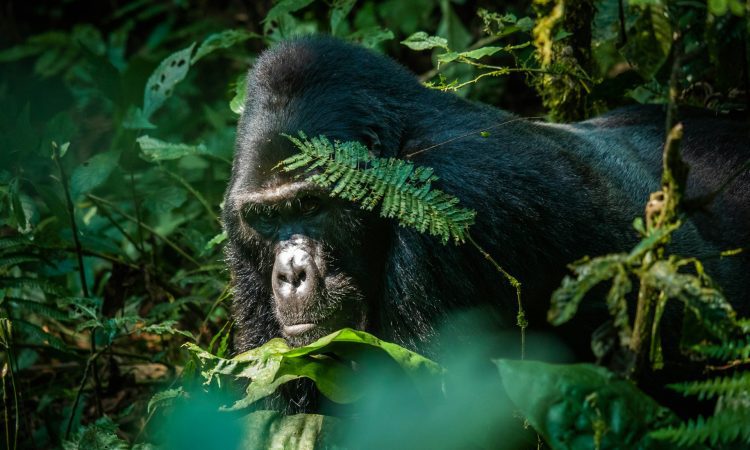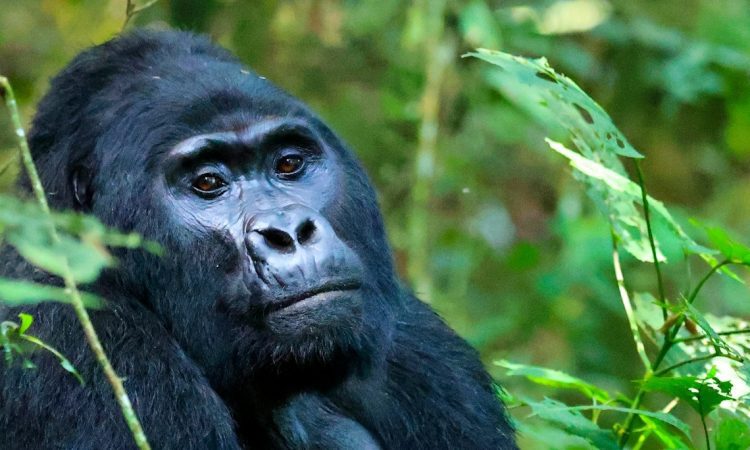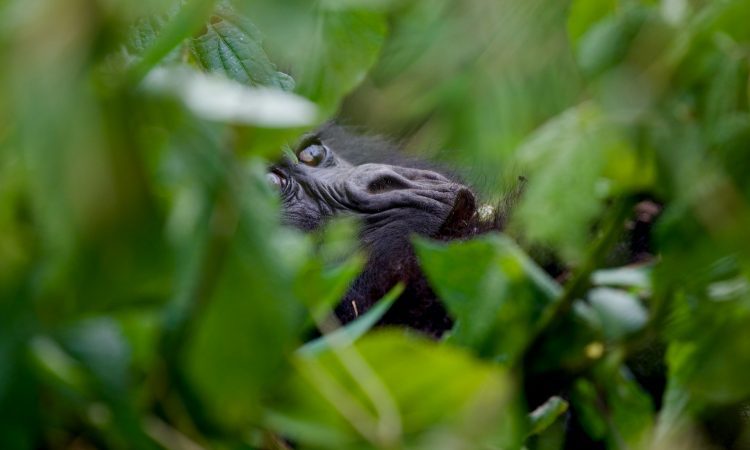
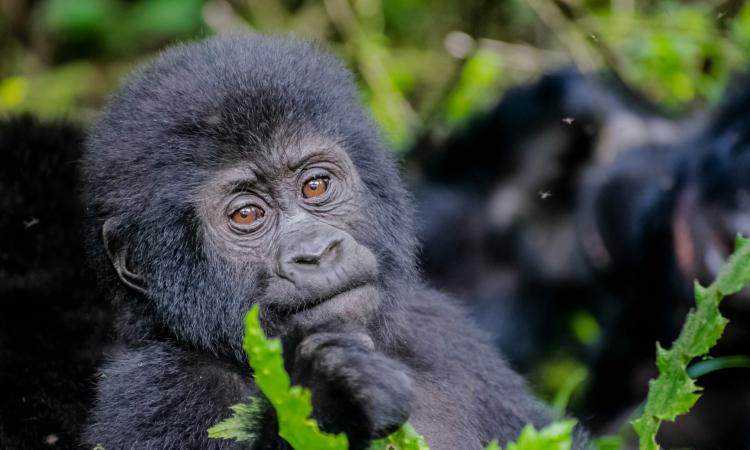
How to Save Gorillas – Gorillas are large ground-dwelling animals that live in the tropical rainforests of Africa. Gorillas are divided into two species: the Eastern gorilla and the Western gorilla.
Gorillas are great apes that share 98% of their DNA with humans, making them our closest cousins.
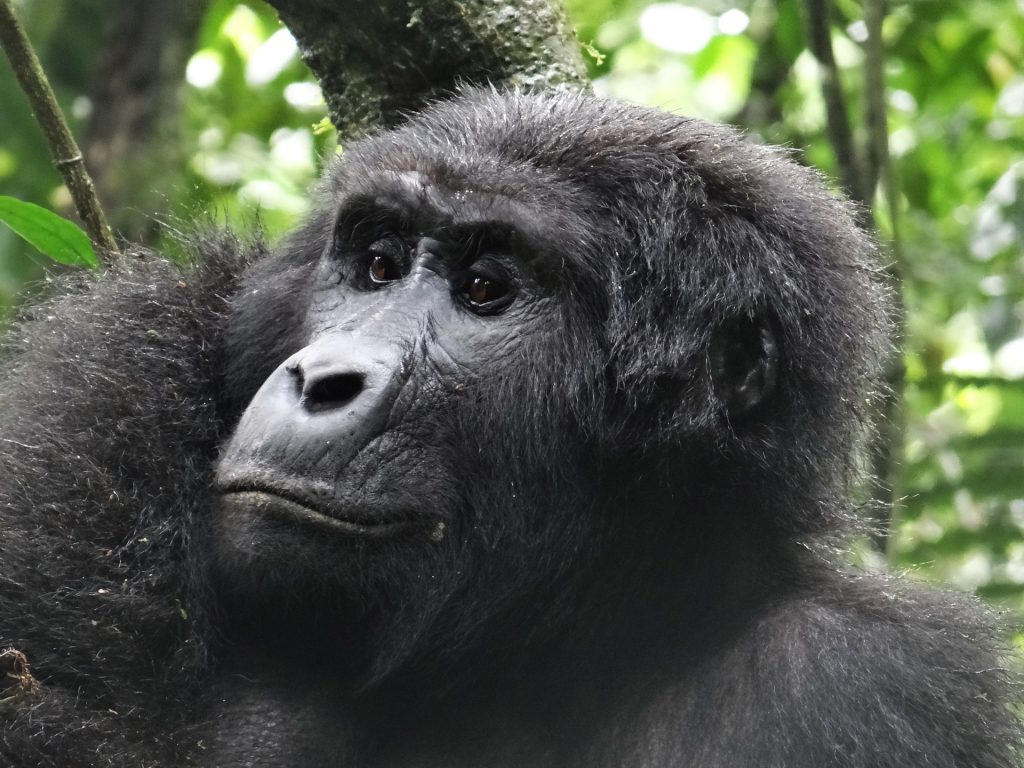
Gorillas are critically endangered species. Their population is about 310,000 for Western gorillas and 5,000 for Eastern gorillas.
The Eastern gorilla species is divided into two subspecies:
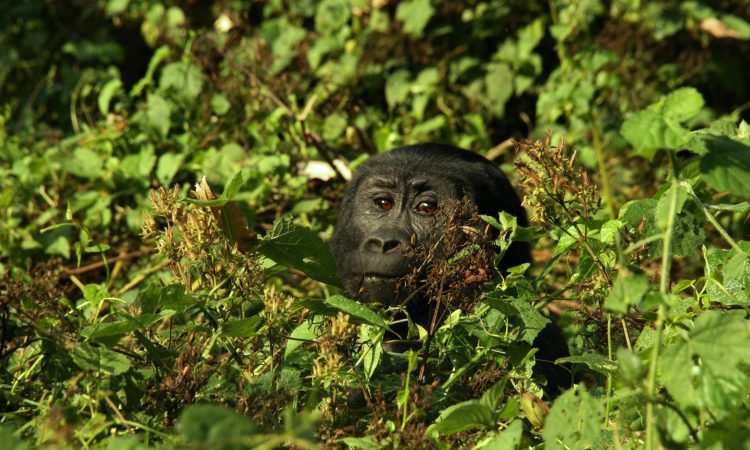
- Mountain gorillas, which live in the tropical rainforests of Uganda, Rwanda, and the Democratic Republic of Congo.
- Eastern lowland gorillas, which live in the lowlands of the Democratic Republic of Congo.
The Western gorilla species is divided into two subspecies:
- Western lowland gorillas, which live in Central and West Africa.
- Cross River gorillas, which live on the border of Nigeria and Cameroon.
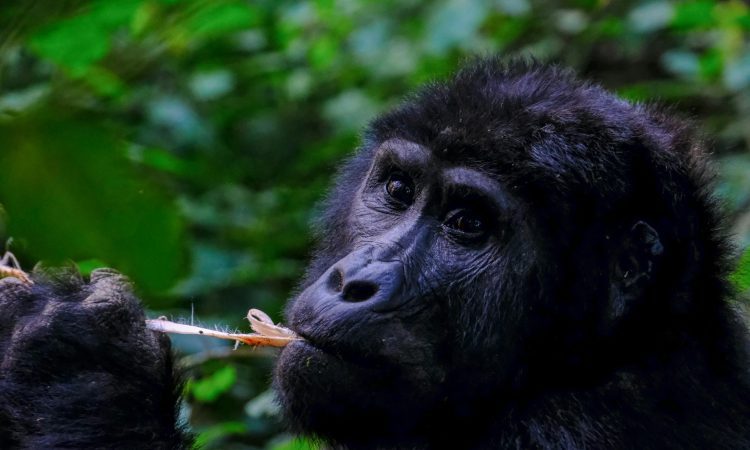
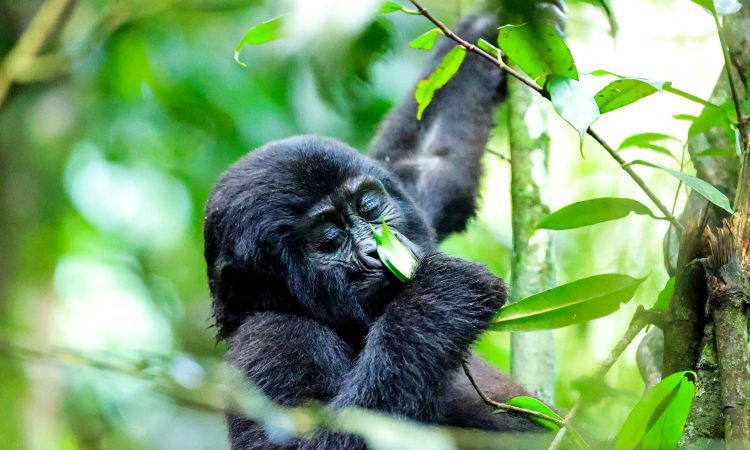
Gorillas feed on vegetation such as fruits, leaves, shoots, roots, stems, and bamboo.
Gorillas have a gestation period of 8.5 months and give birth every 4 years when the young ones are fully grown and independent.
A female gorilla reaches sexual maturity at the age of 10 to 11 years, although they can start ovulating at 8 years. A male gorilla reaches sexual maturity at the age of 11 to 13 years.
Gorillas are social animals that live in families of 5 to 30 members, led by a dominant silverback. The silverback is responsible for protecting the family, mating with females, and deciding feeding and sleeping times.
How to Save Gorillas
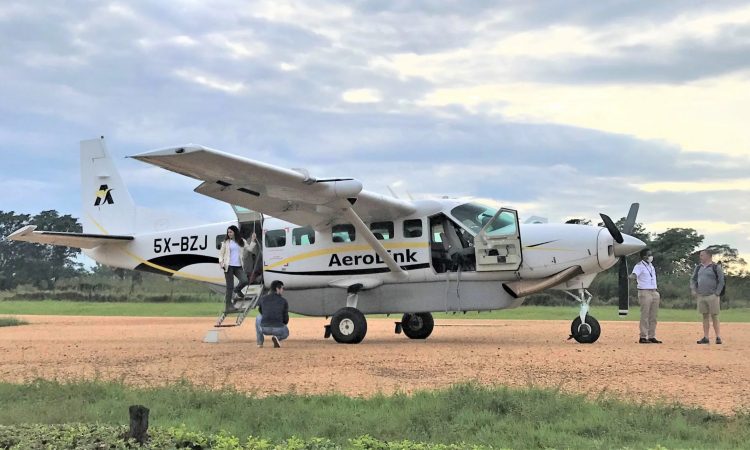
- Participate in Gorilla Trekking: Gorilla trekking in Uganda, Rwanda, and the Democratic Republic of Congo helps authorities generate funds through the sale of gorilla permits. These funds are used for gorilla conservation efforts, which have led to an increase in the gorilla population.
- Never Buy Products Made from Gorilla Parts: Poachers often target gorillas for their meat, skins, bones, and other body parts. If you are unsure about what you are buying, do not buy it. If you see anyone selling wild animal parts, report them to the authorities.
- Follow Gorilla Trekking Rules and Regulations: Tourists are always briefed about gorilla trekking rules and regulations, which they must follow for a great trekking experience. Some rules include: maintain silence while in the park, stay at least 7 meters away from gorillas, and do not litter in the park among other rules.
- Donate to Gorilla Conservation Organizations: Donating money to gorilla conservation organizations is one of the most important ways to save gorillas. The money is used for research, treating gorillas, and other conservation efforts. Some organizations include the Gorilla Fund and the Dian Fossey Foundation.
- Avoid Trekking When You Are Ill: Tourists should avoid trekking gorillas when they are sick. Mountain gorillas share at least 98% of their DNA with humans, meaning they can catch the same diseases, such as the flu. By not trekking when ill, tourists help protect gorillas from diseases.
It is the responsibility of every individual to protect gorillas in their habitat.