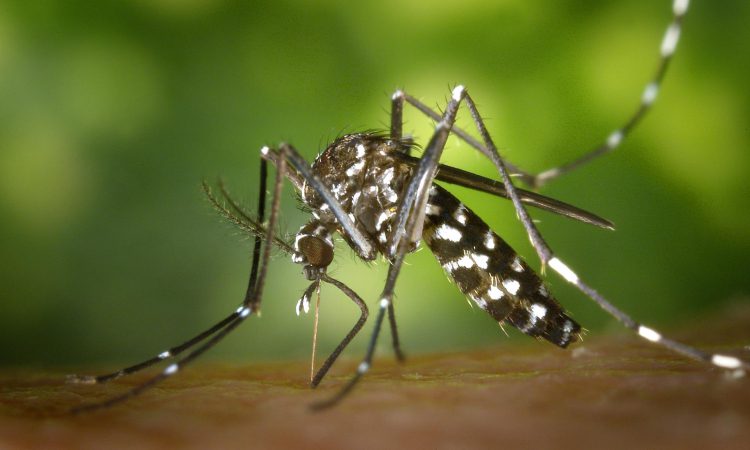
Understand Malaria in Bwindi Impenetrable National Park in southwestern Uganda for easier travel. Bwindi Impenetrable National Park is at high altitude between 1,190 and 2,367 meters, so malaria risk is lower. However, mosquitoes can still be present, especially in the evening and early morning. Use insect repellent, sleep under mosquito nets, and wear long clothes. You can take anti malarial drugs like Malarone or Doxycycline after advice from a doctor. Rainy seasons March to May and September to November have more mosquitoes, so take extra care during travel.
When planning a trip to Bwindi Impenetrable National Park for gorilla trekking, one might wonder about the risk of catching malaria. Since the park is in a tropical region, there is a chance of getting malaria while on safari. However, the risk here is lower compared to other parts of Uganda because the park is at a high altitude, and mosquitoes do not survive well in such areas.
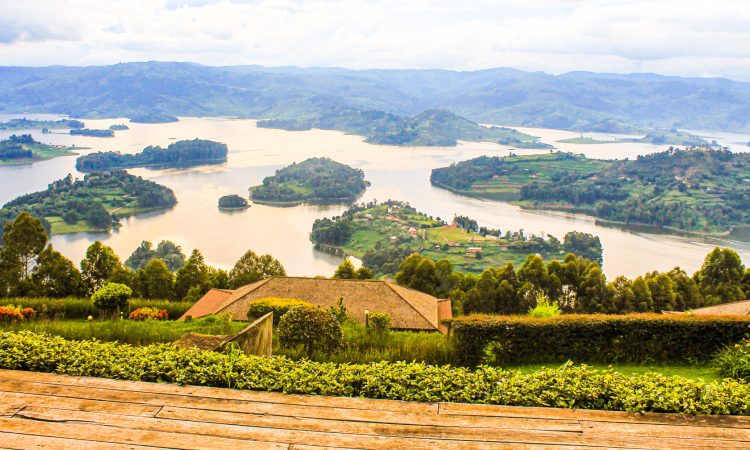
Bwindi National Park is located at an altitude between 1,190 and 2,367 meters above sea level. This makes the risk of malaria lower because the female Anopheles mosquitoes that transmit malaria are not common at high altitudes.

The terrain in the area varies, with some areas being lower and others higher, meaning you can still be bitten by a mosquito while exploring the park.
The mosquitoes that spread malaria are more active in the evening and early morning. This means you should be extra careful during these times by taking preventive measures to avoid getting malaria. Even though the risk here is lower compared to other parts of the country, it is still important to take precautions.
Highlights of Malaria in Bwindi Impenetrable National Park
- Bwindi is at high altitude between 1,190 and 2,367 meters
- Malaria risk is lower than many other places in Uganda
- Mosquitoes can still be present in some areas
- Mosquitoes are more active in the evening and early morning
- You should take care during these times
- Use insect repellent on exposed skin
- Sleep under mosquito nets at your lodge
- Wear long pants and long sleeve clothes
- You can take anti malarial drugs like Malarone or Doxycycline
- Always get advice from a doctor before use
- Rainy seasons have more mosquitoes
- March to May and September to November
- Dry months have fewer mosquitoes but risk is still there
- Bwindi can be visited all year with proper precautions
- Staying safe from malaria helps you enjoy gorilla trekking better
Malaria Prevention Tips
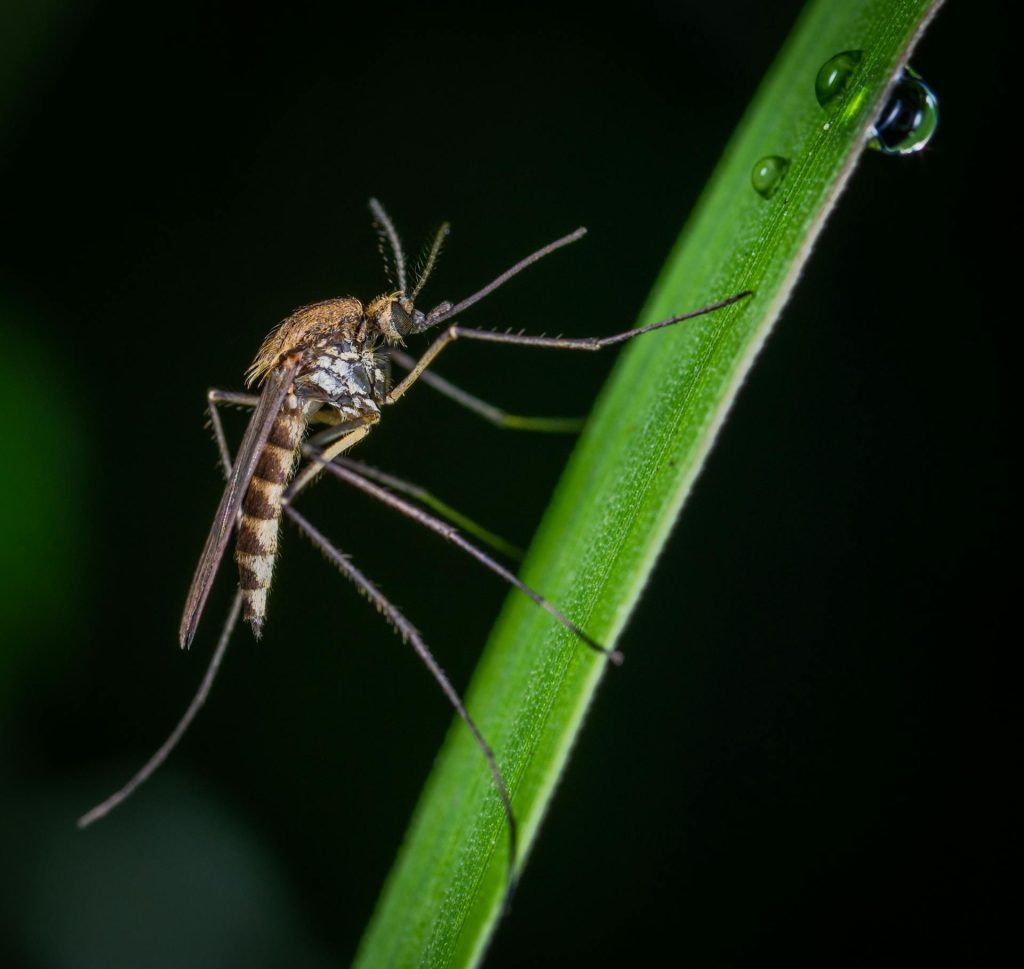
Here are some useful tips:
- It is recommended to take anti-malarial medication before and/or during your gorilla trekking safari in Bwindi National Park. Some commonly used anti-malarials include Malarone, Doxycycline, and Lariam.
- However, you should visit a doctor for specific advice, especially if you have other medical conditions.
- Another way to stay safe from malaria while on a gorilla trekking safari is by using insect repellent. It is best to use a repellent that contains DEET and/or picaridin. Make sure to apply it to all exposed skin.
- When at your accommodation, sleep under a mosquito net. Most camps and lodges provide mosquito nets for guests.
- While outdoors, reduce mosquito exposure by wearing long pants and long-sleeved clothing to cover most of your body.
Malaria is more common during the rainy seasons. Uganda has two rainy seasons: one from March to May and another from September to November. During these times, mosquitoes are more active.
If you are very concerned about malaria, it is advisable to avoid traveling during these months. However, this does not mean that malaria cannot be caught during the dry season.