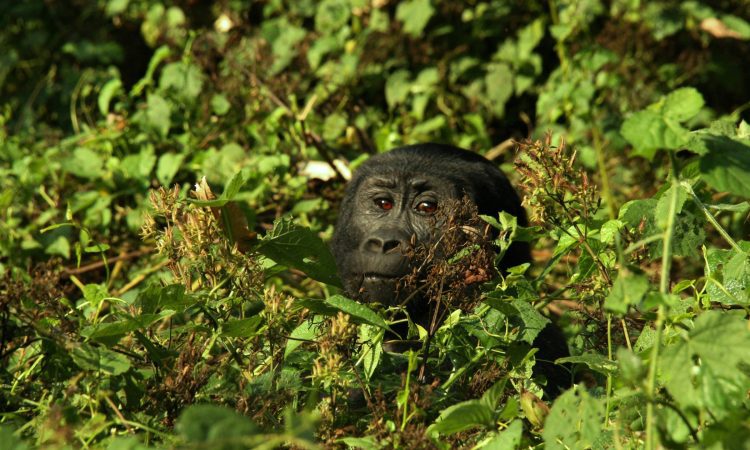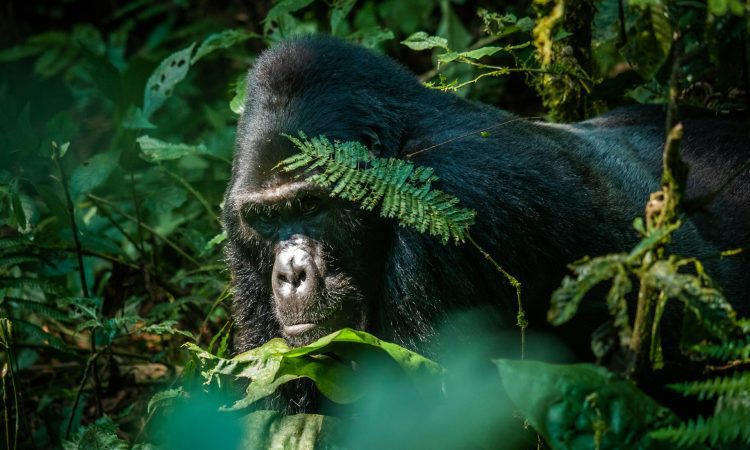

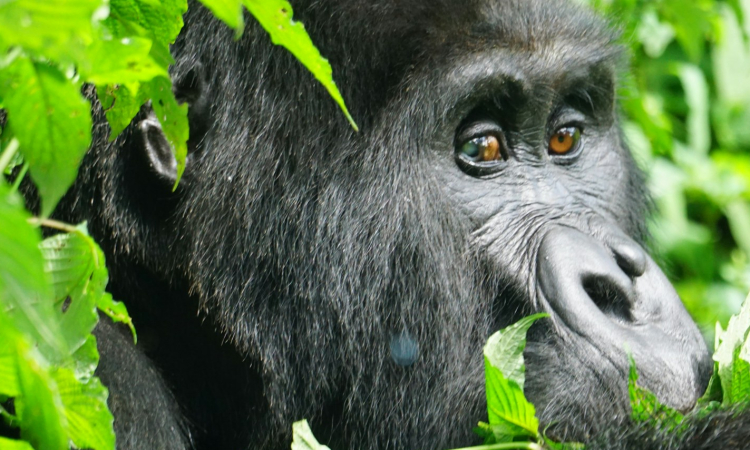
Why Are Mountain Gorillas So Important? Mountain gorillas are herbivores that live in dense forests on the mountain slopes of the Virunga ranges and Bwindi Impenetrable National Park. These areas are found in the borders of the Democratic Republic of Congo, Rwanda, and Uganda.
Gorillas are strong, stocky apes with a friendly nature. They share 98% of their DNA with humans, making them very close cousins to humans.
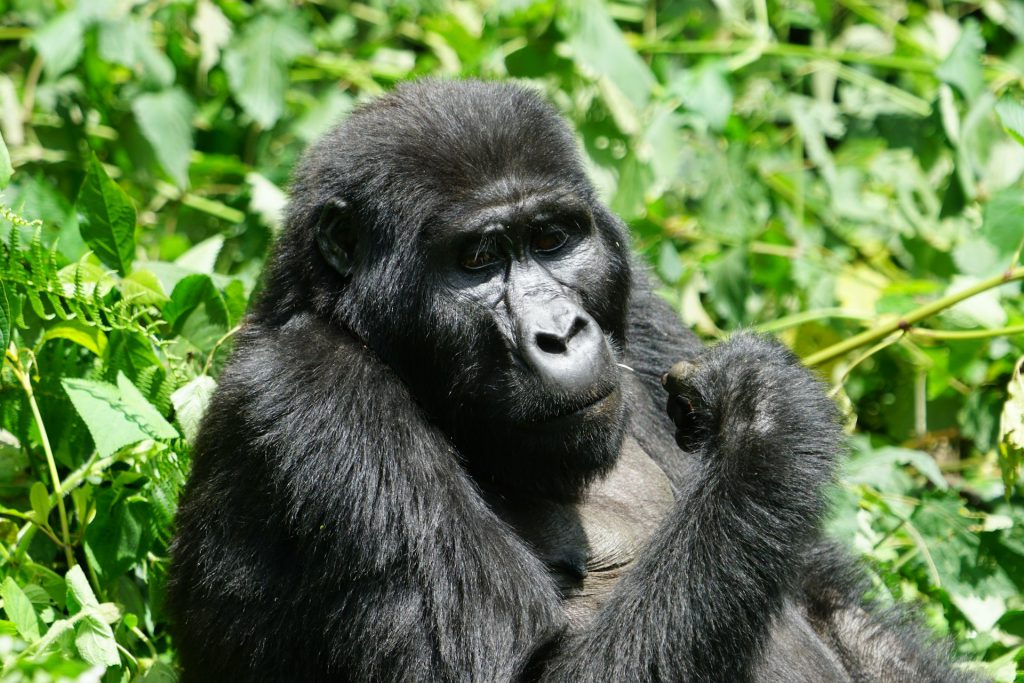
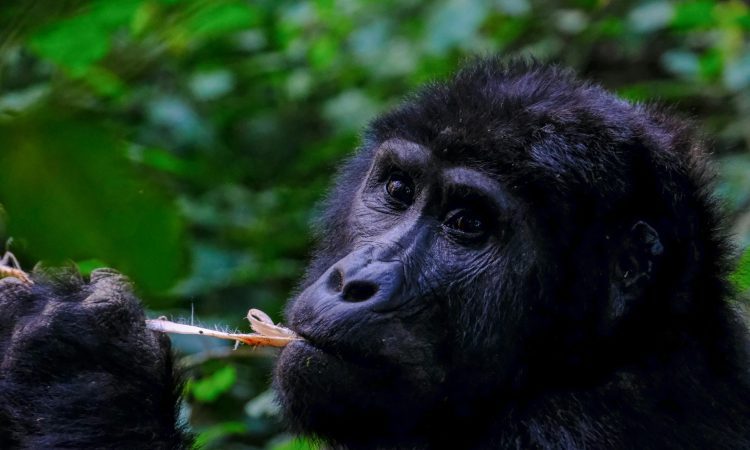
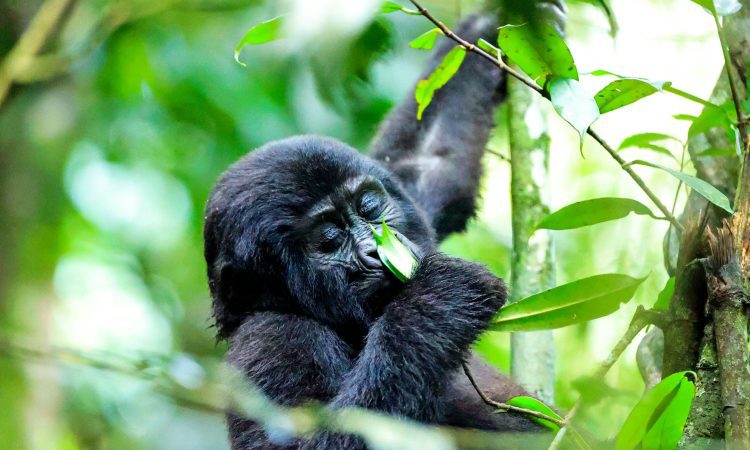
The diet of mountain gorillas includes roots, leaves, shoots, fruits, and bamboo.
- A male gorilla eats up to 30 kg per day.
- A female gorilla eats up to 18 kg per day.
Gorillas are very strong animals. It takes the strength of more than 5 men to defeat a gorilla.
Mountain gorilla vocalizations include roars, screams, pants, cries, big grunts, chuckles, hoot barks, and more.
Gorillas are very important to humans and the ecosystem. Their significance includes:
- Ecological Importance: As herbivores, gorillas feed on vegetation and fruits in the wild forests. They disperse seeds through their feces and on their hairy bodies, which helps enrich plant life.
- Source of Revenue: Mountain gorillas are a source of income for the governments of Uganda, Rwanda, and the Democratic Republic of Congo through tourism. This increases the GDP of these countries.
- Scientific Research: Mountain gorillas are close cousins to humans. They help scientists understand human evolution. Primatologists and anthropologists study gorilla behavior, social structures, and communication. This provides insights into the evolutionary roots of human social behavior, culture, and thinking.
- Soil Fertility: Mountain gorillas improve soil fertility through their feces, which contain nutrients that enrich the soil.
- Environmental Conservation: The need to protect mountain gorillas and their habitats has led to conservation efforts. These efforts fight harmful human activities like deforestation, which benefits the environment.
- International Cooperation: Mountain gorillas, being endangered, have encouraged worldwide cooperation to conserve different animal species. This has improved relationships among countries.
- Cultural Significance: Mountain gorillas are symbols of strength, courage, and protection in many communities. They are also associated with powerful spirits and considered sacred in some African cultural beliefs, giving them great cultural importance.
Mountain gorillas hold great cultural, economic, and social value.