Book butterfly watching in Bwindi Impenetrable National Park in southwestern Uganda in Kabale, Kisoro, and Kanungu. Bwindi has over 200 butterfly species including rare and endemic types. Activities take place in Buhoma, Ruhija, Nkuringo, and Rushaga during nature walks. Best time is June to August and December to February when spotting is easy. Butterflies live in forest habitats and feed on nectar, fruit, and sap. They reproduce through metamorphosis from eggs to caterpillars to adults. Entry cost is USD 40 for foreign non residents, USD 25 for residents, and UGX 10,000 for East Africans. Book now for a simple and well planned visit experience.
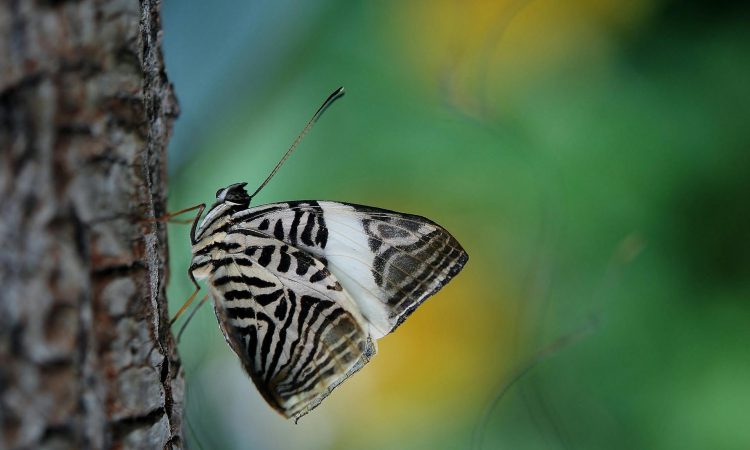
Bwindi Impenetrable National Park is home to over 200 butterfly species, making it a top destination for butterfly enthusiasts. The park has both rare and endemic species of butterflies.
Bwindi is located in southwestern Uganda in the districts of Kabale, Kisoro, and Kanungu.
Trip Highlights
- Visit Bwindi Impenetrable National Park for butterfly watching
- Bwindi is found in Kabale, Kisoro, and Kanungu districts
- The park has over 200 butterfly species, including rare and local types
- Butterfly watching is done during nature walks in Buhoma, Ruhija, Nkuringo, and Rushaga
- The best time to visit is June to August and December to February
- Butterflies are easier to see when trails are dry
- Butterflies live in forest areas and feed on nectar, fruit, and tree sap
- They grow through stages from eggs to caterpillars to adult butterflies
- Butterflies help plants grow by pollination
- They are food for birds and other animals in the park
- Entry cost is about USD 30 for foreign non residents, USD 15 for residents, and UGX 10,000 for East Africans
- This activity gives a chance to see butterflies during a forest walk
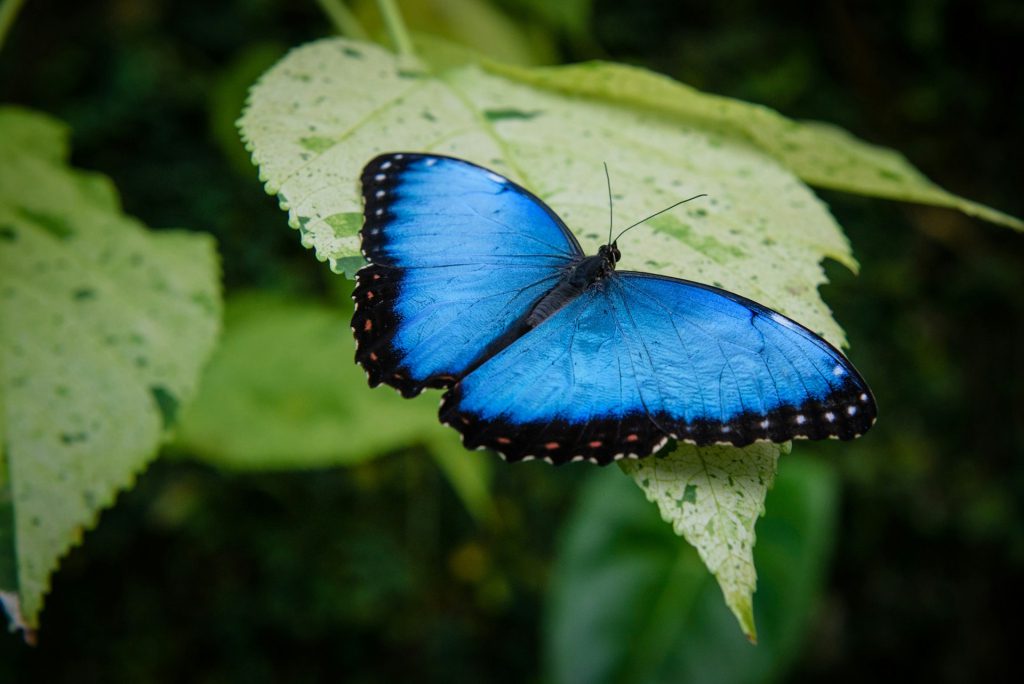
Butterfly watching in Bwindi can be done in the park’s four sectors: Buhoma, Ruhija, Nkuringo, and Rushaga. Butterflies in Bwindi are best spotted by tourists during nature walks around the park.
They are also easier to spot during the dry season, from June to August and December to February, when the vegetation is less dense.
Some of the butterfly species in Bwindi include:
- Cream-banded Swallowtail
- African Giant Swallowtail
- Spalgis lemolea
- Pentila alba
- Graphium gudenusi
- Charaxes fournierae
- Lachaenema vvattouxi
- Eresina bilinear
- Geritola liana
- Papilio leucotaenia
- Cigaritis homeyeri
- Belonois theora
- Nepheronia thalassina
- Lachaenema triangularis
- Mylothris agathina
- Eurema senegalensis
- Nepheronia argia
- Papilio cynorta
- Papilio zenobia
- Pseudopontia gola
- Graphium anthenus
- Eurema brigitta
- Graphium junodi
- Eronia cleodora
- Dixeia aurota
- Belonois theuszi
Physical Appearance of Butterflies
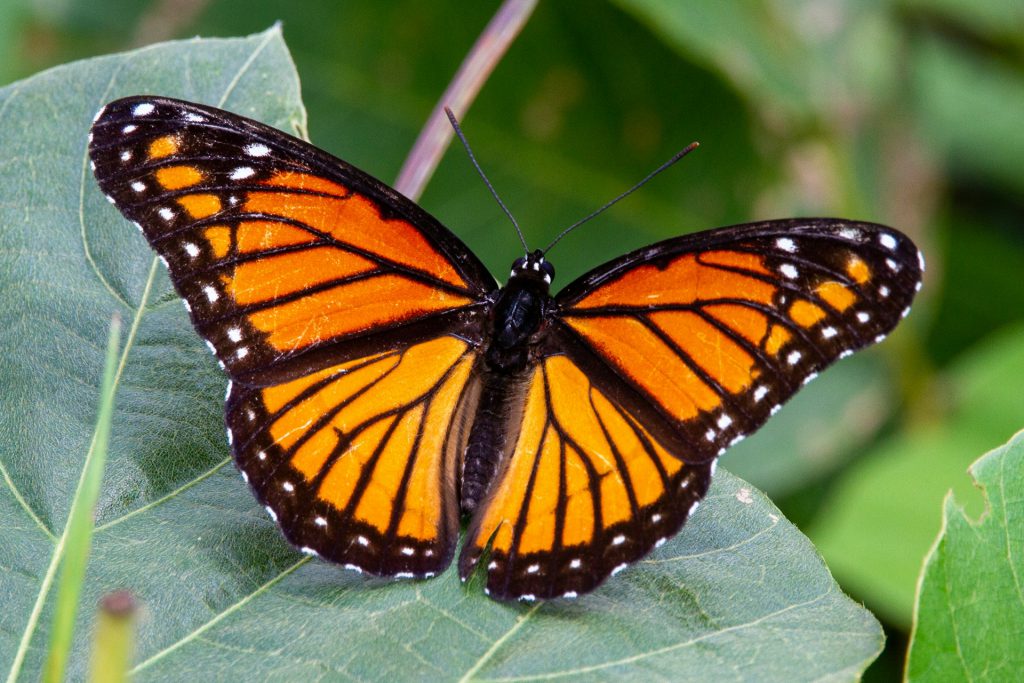
Butterflies have six jointed legs, a pair of antennae, and three body parts called the head, thorax, and abdomen. They have four wings attached to the thorax, along with their six legs.
The head has compound eyes and antennae for detecting chemicals in the air.
The abdomen contains the digestive system, the reproductive system, and tiny holes called spiracles for breathing.
Diet of Butterflies
Butterflies mainly feed on nectar from flowers, but they also consume other liquids such as fermenting fruit, wet mud, and sap from damaged trees.
Reproduction in Butterflies
Butterflies reproduce sexually through a process known as metamorphosis, which includes mating, laying eggs, and developing into caterpillars.
- Butterflies mate by joining the tips of their abdomens.
- The female lays eggs on plants, which later hatch into caterpillars (larvae).
- The caterpillars feed and shed their skin as they grow.
- The larvae then pupate and eventually transform into adult butterflies.
Habitat
Butterflies are mainly found in the thick forests of Bwindi.
Importance of Butterflies in Bwindi
- Butterflies are essential flower pollinators, helping with the reproduction of many plant species in the forest.
- Butterflies serve as a source of food for various animals in the park, such as birds, mammals, and reptiles, thus balancing the food chain.
- The beautiful colors of butterflies attract tourists, contributing to the importance of conservation.
- Butterflies are valuable for scientific research, enabling scientists to better understand ecological processes.
Cost of Butterfly Watching in Bwindi
- USD 30 per person for foreign non-residents
- USD 15 for foreign residents
- UGX 10,000 for East African citizens